
Crude Oil (Brent) Market Brief – June 12, 2026
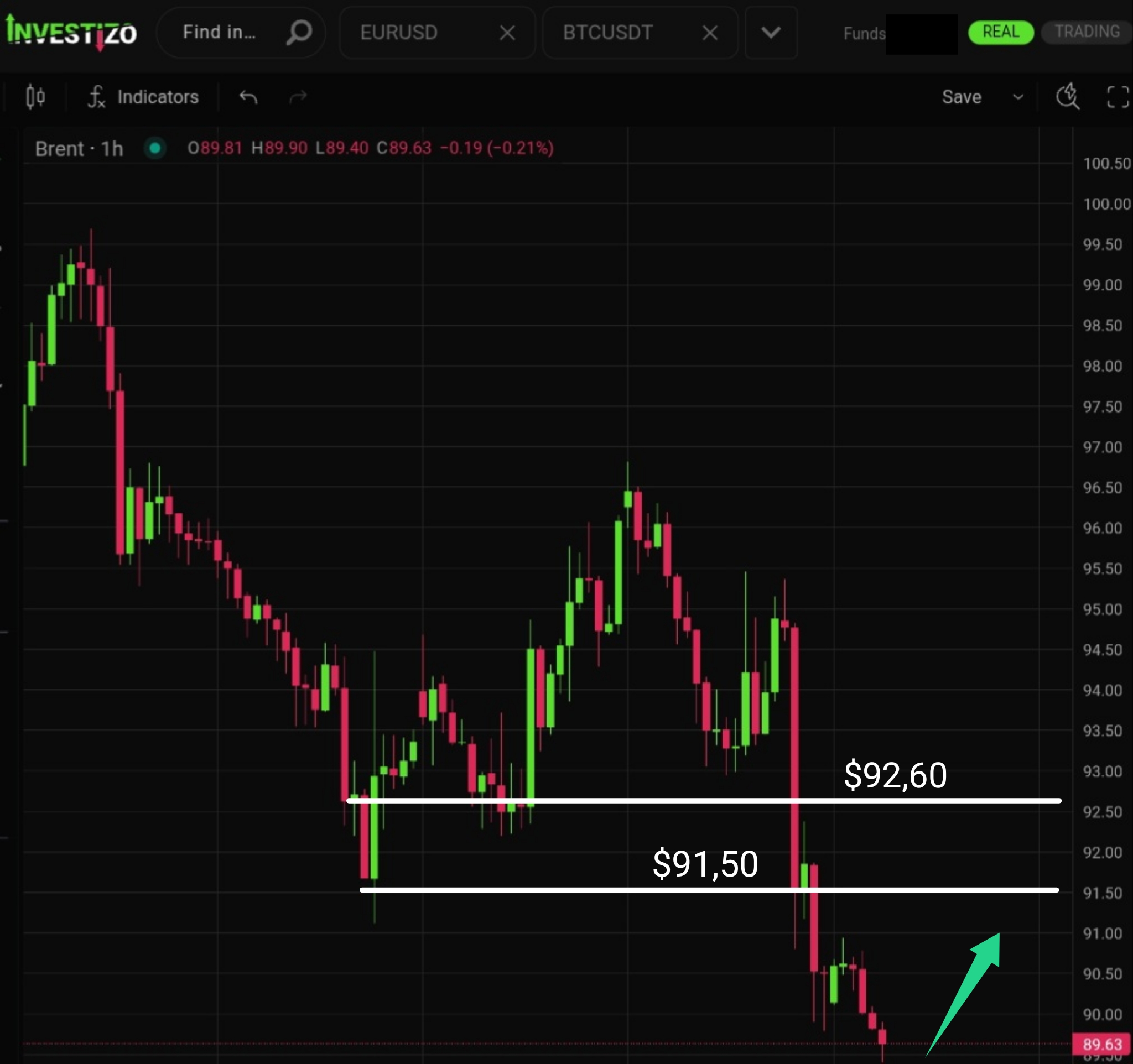
Brent crude is navigating a highly reactive trading environment, currently settling at $89.63 per barrel after a nearly 3% decline in the previous session. The primary catalyst pulling the geopolitical premium out of the market stems from the White House, where statements regarding an imminent diplomatic breakthrough with Tehran triggered an aggressive relief rally in global equities while pushing energy futures lower. However, a stark divergence has emerged between Washington’s optimism and Tehran's official rhetoric. The Iranian Ministry of Foreign Affairs, via the state-aligned Tasnim news agency, pushed back sharply against the headlines, calling rumors of a finalized deal pure speculation designed to project a false narrative of Iranian capitulation under pressure. According to Iranian officials, while a significant portion of the framework had been ironed out, Washington continues to introduce new demands, and Tehran will not compromise on its established "red lines," leaving the final decision exclusively with the Supreme Leader.
Despite the diplomatic finger-pointing, tangible back-channel maneuvering keeps the bears active. Reports from the New York Post indicate that Iran has formally transmitted a draft agreement to U.S. officials through Qatari mediators, preventing a total collapse of diplomatic risk discounting. This geopolitical volatility is unfolding against a backdrop of severe physical supply distortions and systemic logistical threats. The World Bank explicitly warned this week that crude prices are modeled to spike to $115 should the critical Strait of Hormuz maritime corridor remain obstructed, keeping an absolute floor under the market. The underlying supply crunch is underscored by OPEC’s latest secondary sources, which reveal that Iranian crude production cratered by 19% last month, dropping down to 2.33 million barrels per day as wartime disruptions take their toll on domestic infrastructure.
The immediate demand landscape adds another layer of complexity to the price action, characterized by a delicate balancing act between deteriorating near-term fundamentals and an anticipated structural recovery. In its latest Monthly Oil Market Report, OPEC downgraded its global oil demand growth forecast for 2026 by 0.2 million barrels per day, dropping the target to 970,000 barrels per day for its second consecutive monthly downward revision. Conversely, the cartel sharply raised its 2027 demand outlook to 1.73 million barrels per day up from 1.54 million barrels per day, signaling that the current slowdown represents a temporary, conflict-induced trough rather than a secular decline.
Market Outlook: the near-term path of least resistance for Brent points to highly technical, headline-driven consolidation. Given the conflicting signals between US diplomatic optimism and Iran's rigid public stance, the market remains highly exposed to headline-driven volatility. Intraday price action will likely be capped by institutional selling pressure around the $91.50 to $92.60 resistance band, where macro desks will look to fade rallies until formal verification of an agreement is achieved. On the downside, the physical reality of the Strait of Hormuz threat and reduced OPEC output ensures that immediate support is firmly established at the psychological $88.40 mark, preventing an aggressive breakdown in the immediate sessions.