
Bitcoin Morning Brief: July 30, 2026
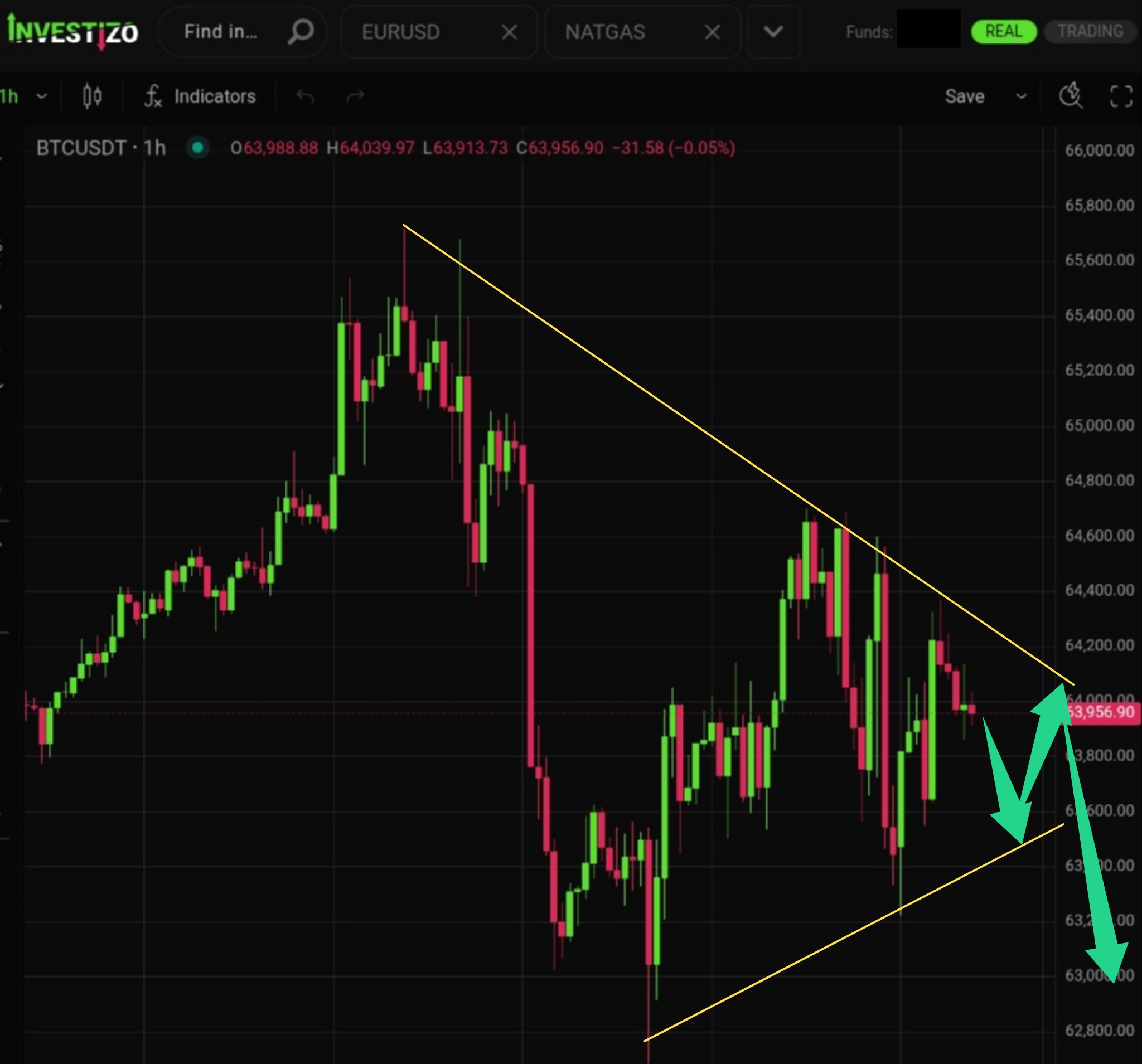
Bitcoin remains under pressure after the Federal Reserve left interest rates unchanged. While the decision itself was widely expected, the meeting exposed an unusual split within the FOMC, with three members voting against the consensus for the first time since 2016. Fed Chair Kevin Warsh reiterated that bringing inflation under control remains the central bank's top priority, warning that years of elevated prices cannot be reversed quickly. Markets are now pricing in a 74.5% chance of a 25-basis-point rate hike in September, according to CME FedWatch, reinforcing expectations that financial conditions will stay restrictive and continue weighing on risk assets, including Bitcoin.
The industry is also adapting to a market where easy liquidity can no longer be taken for granted. Twenty One Capital's Rafael Zaguri argued that companies should rely on sustainable operating revenue instead of business models built around Bitcoin premiums. At the same time, BlackRock, Franklin Templeton, and Jack Dorsey's Block have backed the CLARITY Act, reflecting continued efforts to establish a clearer regulatory framework for digital assets. Long-term optimism remains intact, with some analysts still projecting ambitious price targets for the next decade, but the current focus is increasingly on building stronger, more resilient businesses rather than chasing speculative gains.
On-chain data points to a market that is cooling rather than weakening. Long-term holders are still accumulating Bitcoin, although at a slower pace than earlier this year, with monthly net accumulation falling to around 14,000 BTC from roughly 40,000 BTC in May. The current bear-market phase has lasted 297 days, compared with a historical average of 383 days, suggesting the market may still be in a prolonged consolidation period. Investor sentiment also remains cautious, with the Crypto Fear & Greed Index holding at 35.
Market Overview: Bitcoin is trading around $63,950, continuing to move within a relatively tight range. Initial support sits at $62,000; a break below that level could open the way toward $60,500. On the upside, $64,200 remains the key resistance. Trading activity has been subdued, and the market is likely to remain range-bound until buyers or sellers force a decisive move beyond one of these levels. A breakout above $64,200 or a drop below $63,600 will likely determine the next short-term trend.